Olav Førland
I am a second year Master's student in Data Science at Harvard University, fully funded by the Norwegian top talent grant Aker Scholarship.
I am writing my thesis under Prof. H.T. Kung, where I research hardware-accelerated deep learning using systolic arrays.
Before Harvard, I completed a 5-year integrated M.Sc. in Computer Science and Operations Research at NTNU.
I have worked on training large-scale geometric machine learning foundation models, optimizing industrial-scale salmon farming using advanced decomposition techniques, and developing high-performance data pipelines for analyzing commercial activity across Norway.
LinkedIn
Github
Resume
olavfoerland [at] g [dot] harvard [dot] edu

NequIP-FM: E(3)-Equivariant Foundation Model Graph Neural Networks for Interatomic Potentials
Worked on NequIP Foundation Models, a project scaling the NequIP equivariant neural network for interatomic potentials to large,
heterogeneous materials datasets.
Code
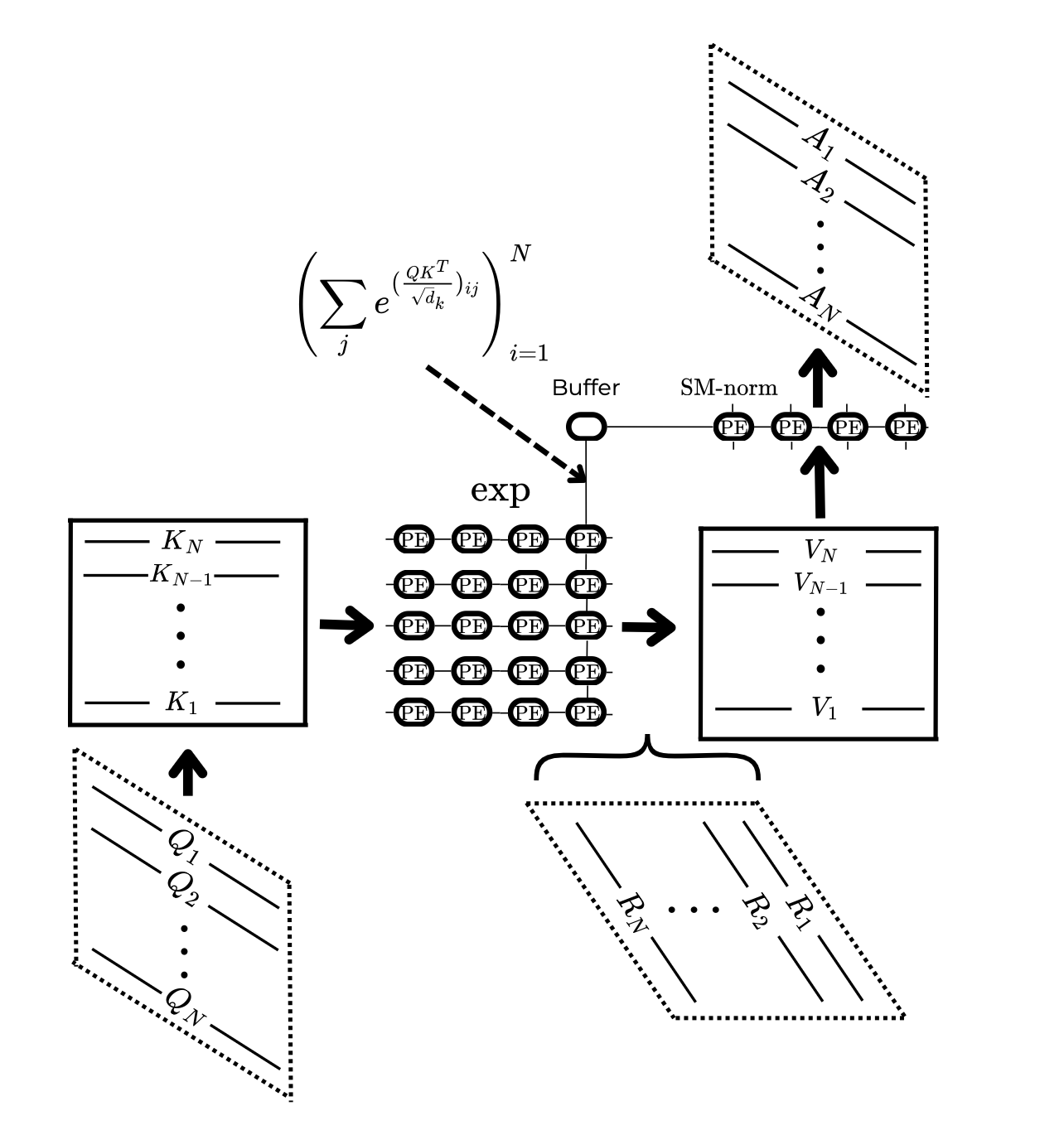
Systolic Arrays for Efficient Attention Computation
Designed a novel systolic array based hardware layout that allows for efficient attention computation in transformers for the course CS224: Computing at Scale.
Hardware implementation and benchmarking using Verilog and C++. I am continuing the work in my Master's thesis.
PDF •
Code
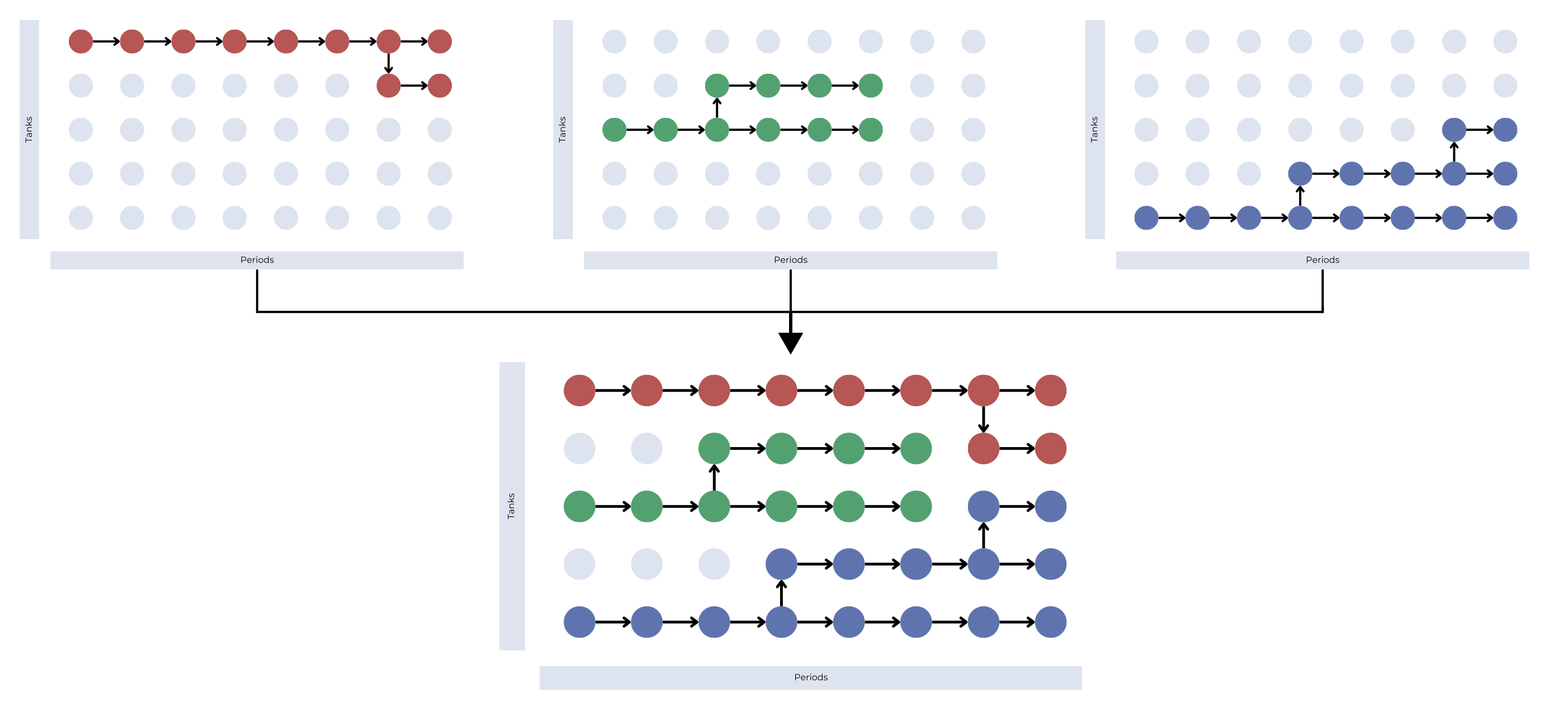
Dantzig-Wolfe Decomposition & Branch-and-Price for Land-Based Salmon Farming Optimization
Researched and developed one of the first applications of a Dantzig-Wolfe decomposition and Branch & Price algorithm in land-based
salmon farming, improving capacity utilization (84%→91%), harvest weight (5.4→5.9 kg), and profits (up to +60%) for Salmon Evolution.
The thesis is embargoed until May 2026.
Abstract •
PDF (restricted) •
Code (restricted)
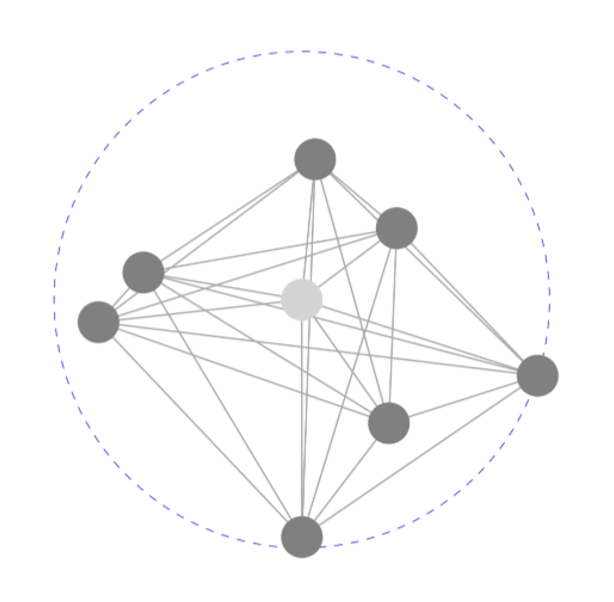
E(2)-Equivariant Graph Neural Network improves Data Efficiency of Traveling Salesman Problem
Adapted the NequIP E(3)-equivariant architecture to a 2D E(2)-equivariant GNN for the Traveling Salesman Problem, improving data
efficiency and reducing optimality gap by up to 25%. Showed via t-SNE that the model clusters geometrically equivalent tours together.
PDF •
Code

Stochastic Route Planner under Travel-Time Uncertainty
Stochastic route planner of the bus network in Zürich for the class COM-490 Large-scale data science for real-world data at EPFL.
Developed probabilistic travel-time models with sampling-based A* optimization. Built scalable PySpark pipelines on top of Hadoop Distributed File System (HDFS) to evaluate routing scenarios under delay uncertainty.
Code
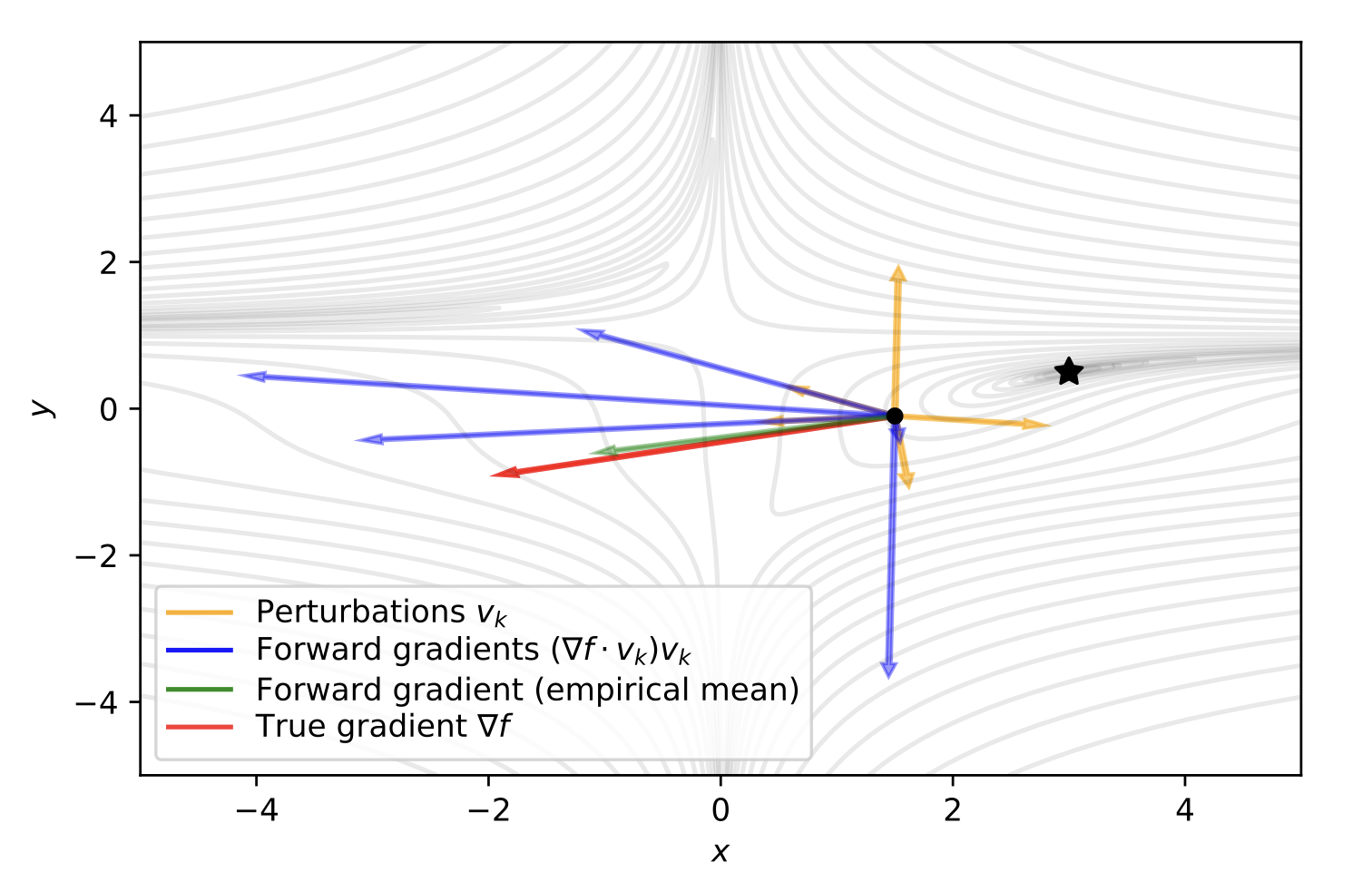
Forward-Mode Automatic Differentiation via Dual Numbers
Built forward-mode AD optimizers (ForwardSGD, ForwardAdam), using the experimental PyTorch spinoff functorch library, to test the forward gradient method from Baydin et al. (“Gradients without Backpropagation”).
Evaluated performance across MNIST and CIFAR-10 and discovered that forward gradients don't scale as well as backprop in realistic settings.
PDF •
Code
| 2023 |
Alv AS — Software Engineer InternBuilt a cross-platform recommendation app with a Flutter frontend and C#/.NET backend on MongoDB. Designed, trained, and deployed a PyTorch pipeline ingesting real-time weather data to predict hiking & skiing conditions across Norway. |
| 2022 |
Plaace AS — Data Science InternBuilt real-time data pipelines analyzing millions of nationwide retail and service records. Developed high-performance analytics in Python (Pandas), integrated with Google BigQuery and SQL, enabling hierarchical, on-demand drill-down analysis of commercial activity across Norway by industry and region. |